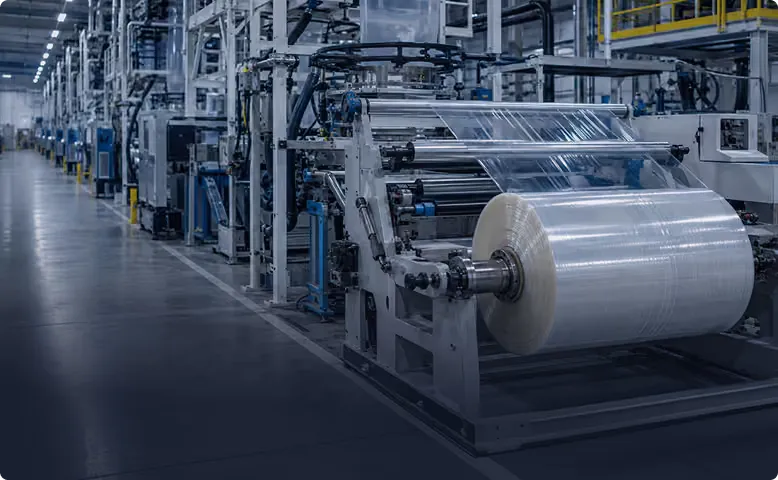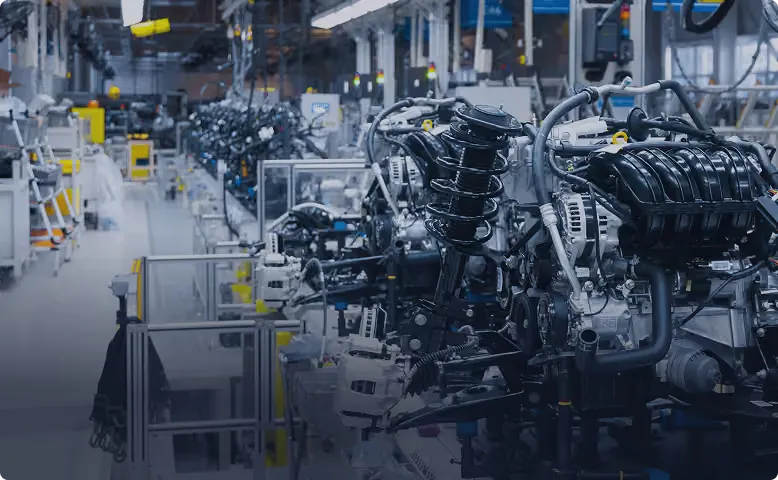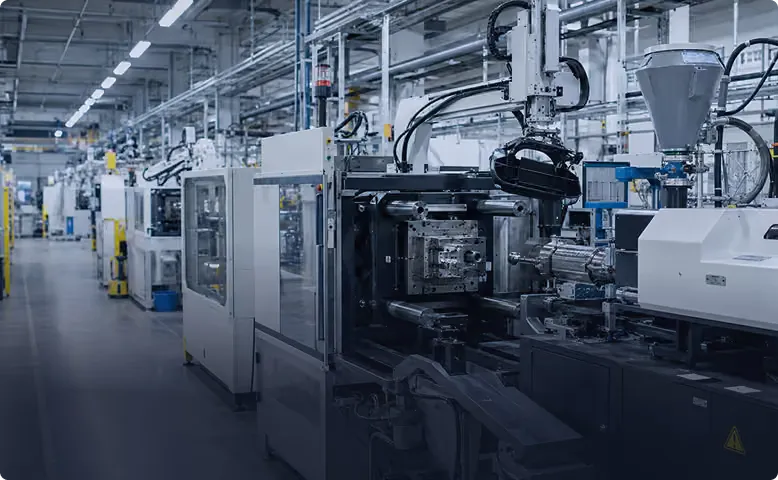











Medical device manufacturing automation has moved fast on molding, assembly and packaging. Visual inspection is often the step that still depends on people at a lighted table, checking small clear parts for flaws that are hard to see and costly to miss. Tristar automates that step: cameras on the line, AI models on a server inside the plant, and a record of every decision.
We’re specific about scope. Tristar isn’t a validation consultancy and doesn’t replace your quality system. It inspects every unit, signals the line and gives your quality team evidence they can review.
Why visual inspection stays manual in medical plants
Medical parts are small, often clear or white, and produced at high volume. A short shot on a syringe barrel, flash on a luer fitting or a dark speck in a white housing can be a fraction of the part’s size. Inspectors get tired, and the parts all look the same.
Rule-based vision handles dimensional and presence checks well. It has a harder time with clear plastic, glare and the normal variation between resin lots, which leads to false rejects and then to someone loosening the thresholds.
What medical device visual inspection checks
| Part type | Typical visual defects |
|---|---|
| Syringe barrels and plungers | Short shots, flash, burns, particles, discoloration |
| Housings and caps | Flash at the parting line, flow lines, color variation |
| Assembled devices and kits | Missing components, wrong variant, wrong orientation |
| Packaged units | Seal and print problems on pouches and labels |
Molding defects are the core, and they’re the same families Tristar already inspects in injection molding: flow lines, gas burns, short shots, flash and discoloration. The injection molding inspection page covers the press side. For clear barrels, the foundation model’s ability to look past reflection and opacity matters more than anything else on the station.
How AI syringe defect detection runs on a line
Present
Parts pass the station on a conveyor or are rotated in front of the cameras. Round parts use the rotation the line has, or a rotation stage is added.
Light
Lighting is chosen in lab tests to cut glare on clear and glossy plastic before the model sees the image.
Decide
An edge server runs the model on every image and checks it against the tolerance your quality team approved.
Record and reject
The decision, image and time go into the record. A reject goes to the PLC so the part never reaches packing.
Camera choice follows the smallest defect and the field of view. If a defect is very small or needs measuring, the camera costs more, and we tell you that before the proposal.
Evidence for your quality system
Medical customers ask the black-box question first. The answer is evidence. You get a calibration report at install, then recurring checks. A validation set with true and false positives by defect type is reviewed weekly with your team, so you see how the model performs over time instead of trusting it.
The calibration report has already been used in a third-party audit. How to evaluate an AI visual inspection system lists the questions worth asking any vendor, ourselves included.
Operator controls can be locked down too. Pause and feedback can be admin-only, and the system can alert when monitoring has been off too long.
Keeping images inside the plant
Everything runs on an edge server at the line, and nothing goes to the cloud. It works on networks that allow no outbound traffic, which is common in regulated plants. We share a security and architecture packet that has been through a large-company IT review. Edge AI for quality inspection explains the architecture.
Where to start
Pick one part and its most expensive defect. Send about twenty good and twenty bad parts. We run lab tests, find the lighting and camera setup, and show you what the model catches and misses. If you can’t share parts yet, we schedule a short site visit so we’re ready when samples are available.
We won’t promise a result on your parts before we’ve run them.