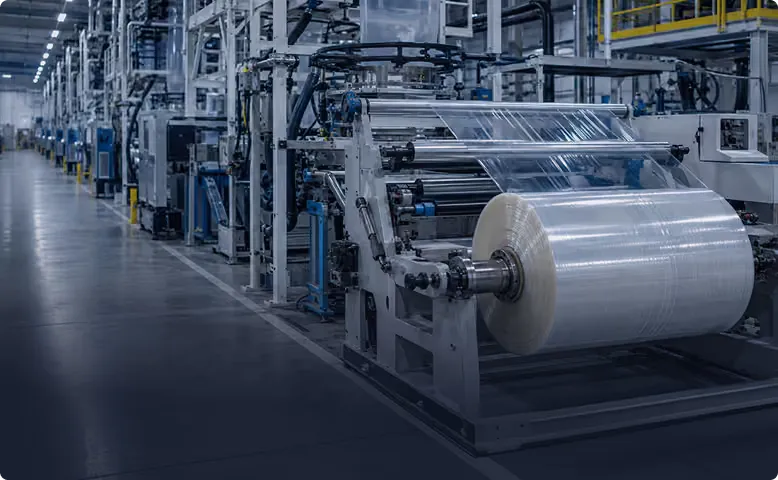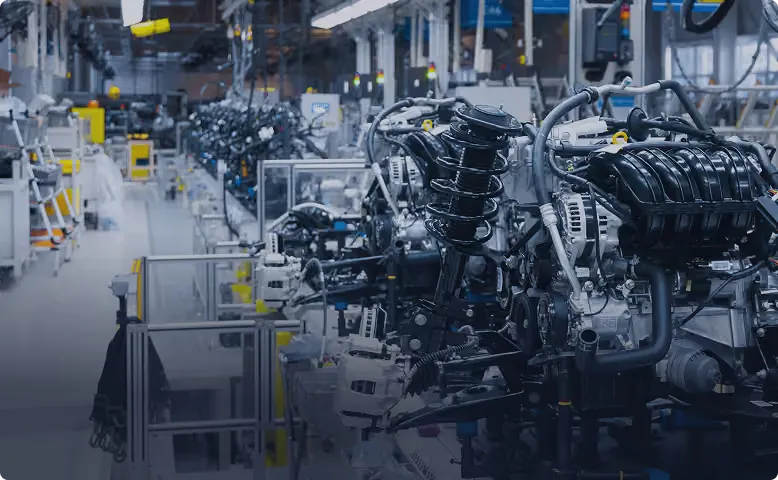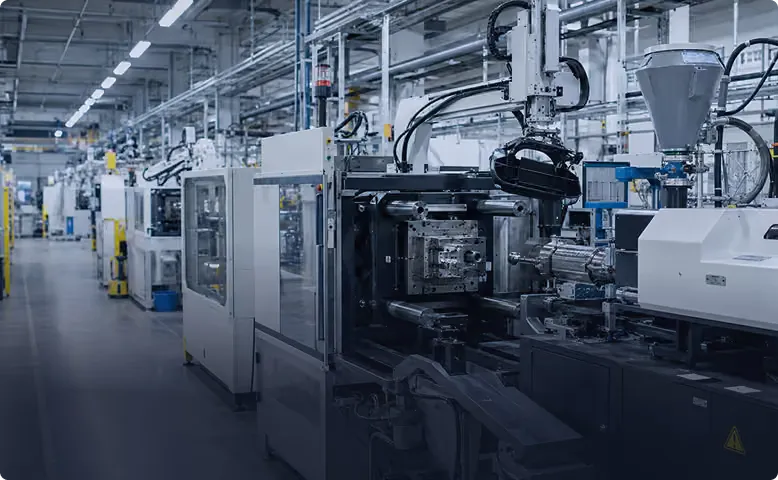











AI inspection software for automotive quality control has one job: make sure the part that ships to the OEM is the part the drawing describes. On a supplier’s floor that means three very different checks. Surfaces at the press, welds and assemblies in the middle, and a final look at end of line before the part is packed.
Tristar covers all three with the same platform: cameras and lighting chosen for each station, models running on an edge server inside the plant, and signals to your PLCs, robots and reject systems.
Where automotive escapes come from
Most escapes aren’t exotic. A die chips and starts marking every panel. A fixture wears and a clip sits slightly out of place. A weld wanders on one robot after maintenance. An inspector at the end of a long shift misses a scratch that’s obvious in the morning.
Manual checks sample, and four-eye checks are expensive. Before Tristar, one stamping operation had two operators spending 80 hours per month per line on manual four-eye checks. After deployment, one operator manages that workload.
Automotive visual inspection by station
| Station | What the cameras check | What happens on a defect |
|---|---|---|
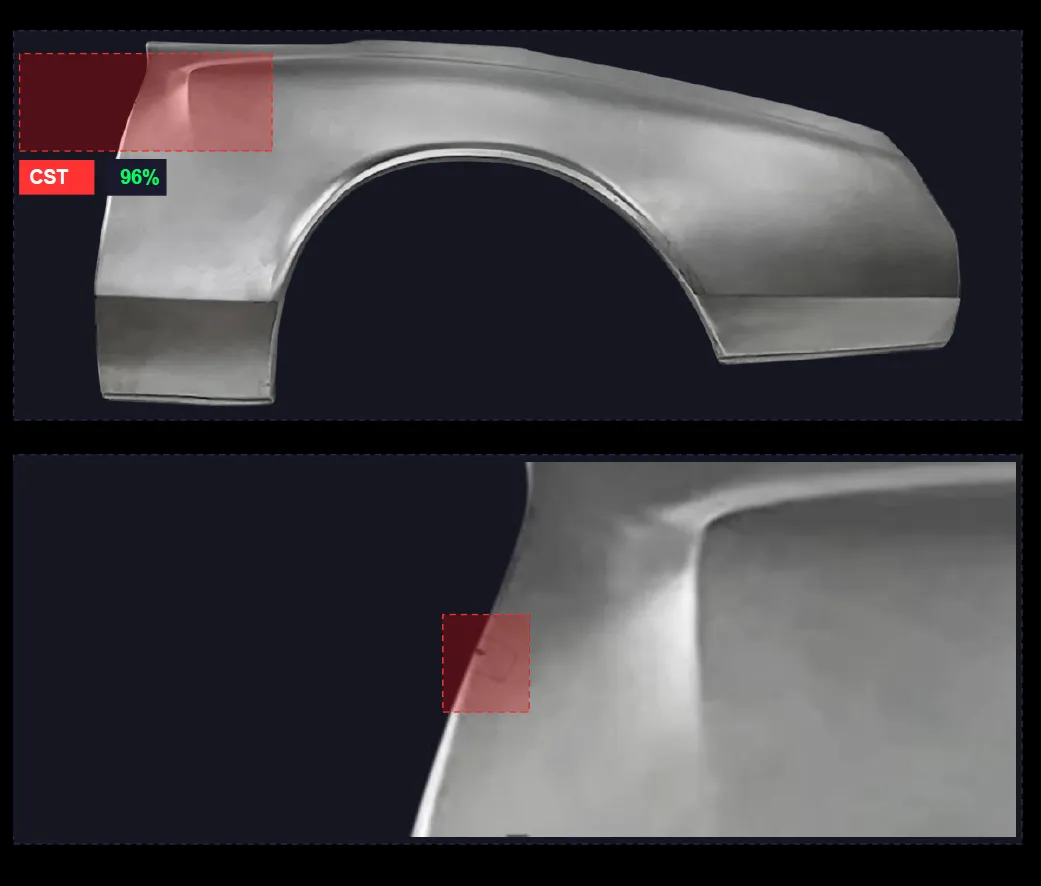
| Press exit | Surface defects, cracks, burrs, holes | Reject signal and an alert to the press team |
| Weld cell | Seam position and surface profile | Part held, robot flagged for review |
| Assembly | Missing parts, wrong variant, orientation, fastener count, skipped steps | Station stops or part is diverted |
| End of line | Final appearance and completeness | Part blocked from packing and logged |
The press exit is usually the highest-value point because a die problem multiplies with every stroke. In the stamping deployment, a defect spike was flagged within 10 seconds on a night shift, which prevented more than 10,000 defective parts. The steel stamping case study has the full numbers.
How the stations are built
Automotive parts are big, shiny, curved and fast. Station design matters as much as the model.
- An array of 2D cameras, usually two or three per station, covers the faces that matter. Round parts use the rotation the line already has, or a rotation stage is added.
- Specialized lighting bars reduce gloss on bare and coated steel and aluminum.
- The foundation model ignores dirt and minor scratches that don’t matter, segments surfaces, and starts from defect types it already knows.
- Camera choice follows the smallest defect you need to catch and the field of view. Smaller defects and measurement need more expensive cameras, and we say so up front.
Station design is done on site, after we’ve seen the part and the line. Metal surface inspection goes deeper on the press exit, and metal surface defect detection explains the defect types.
Automation in car manufacturing, and Tristar’s part of it
Automotive factory automation already includes presses, transfer systems, welding robots and conveyors. Tristar doesn’t build those. It adds the inspection step that usually stays manual and connects it to the automation you already run: PLC signaling to reject gates and kick-off systems, signals to robots, and data to MES or ERP.
That makes the quality check part of the line instead of a table at the end of it.
The operator side matters as much as the wiring. A red light on its own gets ignored or switched off. Tristar’s screen tells the operator what to change and by how much, pause and feedback can be limited to admins, and the system raises an alert if monitoring has been off too long. Supervisors see the same events on a dashboard, with each defect tied to time, line and lot.
When a new program launches, the model doesn’t start from zero. Knowledge transfers to new SKUs, each SKU keeps its own logic, and plant engineers can add inspection points with a handful of images. For assembly specifically, AI inspection on the assembly line covers step tracking and verification.
What a supplier gets back
On seven press lines across three facilities, the result was a 25% scrap reduction, 2.5 FTE redeployed from manual inspection, $1.2M in annual savings and a three-month payback. Throughput rose 3%.
Those are another plant’s results. Start with your most expensive escape, send us twenty good and twenty bad parts, and we’ll tell you what a station would catch on yours.