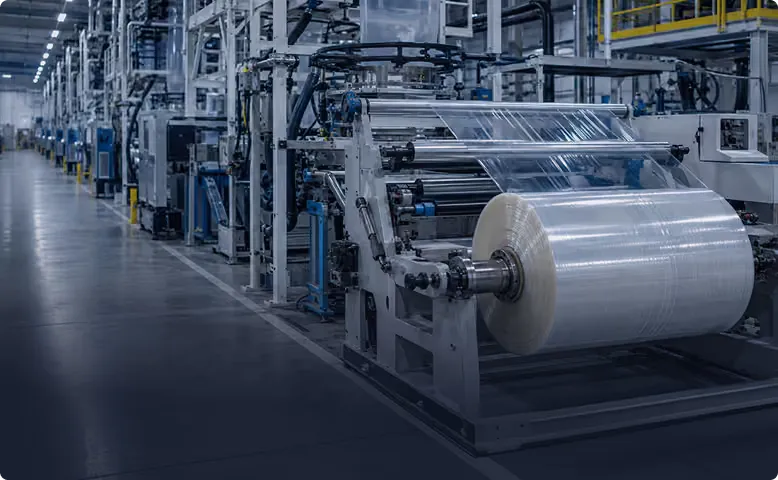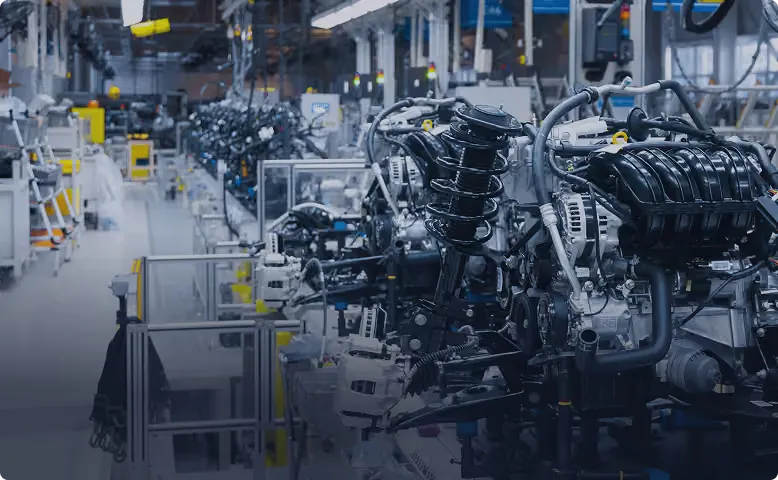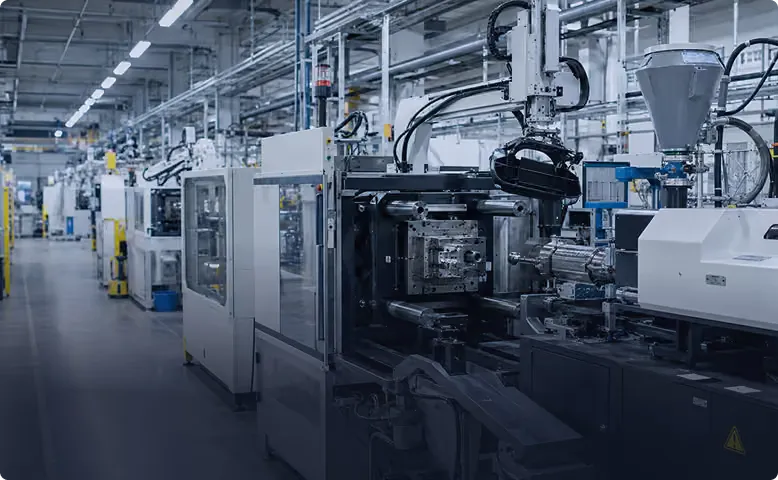











An automated visual inspection system at the end of the line is the factory’s last chance to keep a bad unit away from the customer. It sees every finished part, applies one standard on every shift, and pulls failures before pack-out. It also keeps an image of what shipped.
In automotive, Tristar builds end-of-line inspection stations alongside stamping surface inspection and assembly verification. The same kind of station works for molded parts, formed metal and other discrete products.
Why the final check is the hardest one to staff
Final inspection is repetitive, it runs at line rate, and the defects it hunts for are rare. That’s the worst combination for human attention. Inspectors get good at the defects they see often and miss the odd one, and the result changes with fatigue and between shifts.
Sampling doesn’t fix it. A sample tells you about the parts you pulled. The claim you get next month will be about one you didn’t.
So the case for automating the final check isn’t that people can’t see defects. It’s that nobody can look at every unit, every shift, with the same attention, and the end of the line is where that gap costs the most.
How the end-of-line station is built
Tristar builds complete inspection stations designed around your products and processes. That’s the part of final inspection automation that takes engineering. The model is only one piece of it.
Present the part
Conveyors bring each part into view. If the inspected face lands down, the conveyor flips it. Vibration or spread conveyors separate parts that overlap.
Capture every face that matters
An array of 2D cameras, usually two or three per station, with lighting set up for your material. Round parts turn past the cameras on the line's rotation or an added stage.
Decide
An edge server runs the model on each image, classifies the defect and checks it against your tolerance.
Reject and record
The PLC drives the reject gate or robot. The image, defect type, location and time are stored against the unit and the lot.
The camera choice follows the smallest defect you need to catch and the field of view. Cameras get more expensive as defects get smaller, so we size them to the requirement, not the other way round. The turnkey factory automation page explains what’s in the scope of a delivered station and what isn’t.
Final check versus in-process checks
| Question | End-of-line station | In-process station |
|---|---|---|
| What it protects | The customer | The next operation |
| Best for | Appearance, completeness, anything visible on the finished part | Errors that get covered up later |
| What a reject costs | The full value of the part | Usually one part or one step |
| What it tells you | That a defect left the process | Which step or tool produced it |
Most plants end up with both. If the escapes you’re worried about are skipped steps and missing parts, start with assembly line inspection and keep the final station for what’s left.
From samples to a running station
The start is a sample test. Send us good parts and parts with the defects that reach your customer. We run them in the lab, settle lighting and camera setup first, then show you what the model finds and misses. If parts can’t leave the plant yet, we schedule a short site visit so the team is ready when they can.
Then comes station design on site, install and go-live. After that, Tristar engineers keep calibrating. Active learning flags anomalies, and a short weekly review with your team sets tolerances and adds new defect types so operators aren’t buried in false rejects. How AI defect detection works describes that loop in detail, and AI vs. rule-based machine vision covers why it holds up better than fixed thresholds on variable parts.
What a final inspection station returned
In a steel stamping deployment across seven press lines, the station reached 98% detection accuracy, moved 2.5 FTE off manual inspection and raised throughput by about 800,000 parts a year. The three-year ROI came to 1087%. The case study has the full breakdown.
Your parts will behave differently. We’ll tell you what an end-of-line station can do on them after we’ve run them.