AI Use Cases in Manufacturing, Ranked by the Data They Need
AI use cases in manufacturing for operations leaders: inspection, maintenance, process tuning, planning and agents, and the data each one needs to pay back.
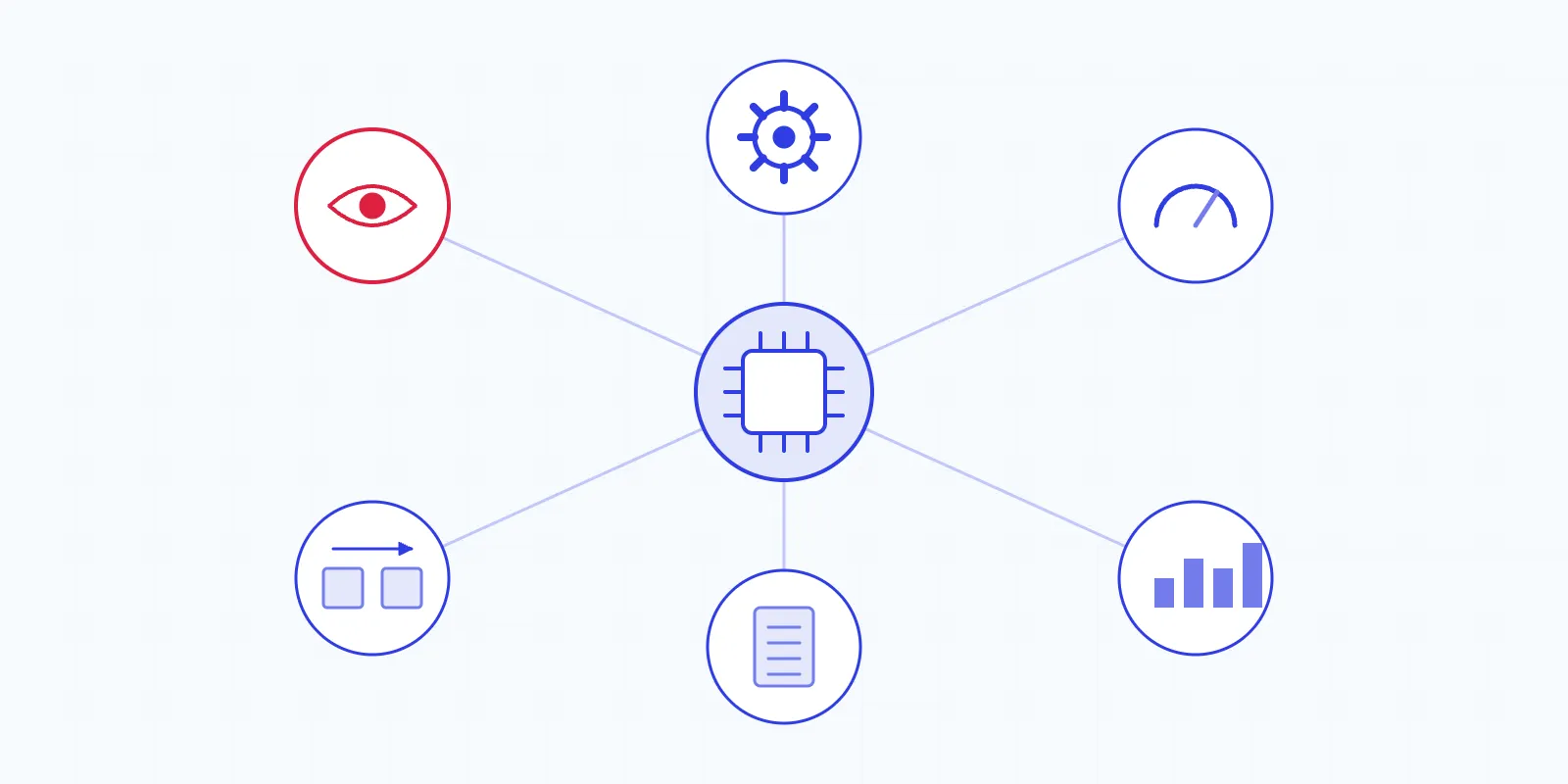
AI use cases in manufacturing are easier to judge once you stop treating AI as one thing. Inspection, maintenance, process tuning, planning and language assistants run on different data, are owned by different people and pay back on different timelines. A plant that does well with one can stall on another for reasons that have nothing to do with the algorithm.
So here they are, grouped by the data they run on, with what each needs before it can work. We build AI visual inspection, so we’ll say where Tristar fits and where it doesn’t.
Use cases that run on cameras
Visual quality inspection
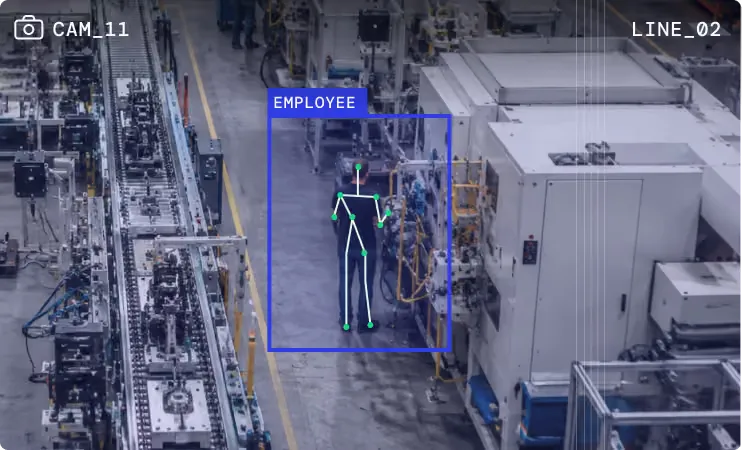
Cameras image every part or every foot of web, and a trained model decides whether each one meets the standard. The result drives a reject gate, a flag or an operator alert, and every defect is logged against its lot.
It’s one of the most mature AI applications on the floor because the data is generated on the spot. You don’t need years of history, only good and bad samples and a camera that can see the defect. The payback lands in scrap, inspection labor and customer claims. This is Tristar’s work; AI visual inspection shows a station, and computer vision use cases in manufacturing lists the other jobs cameras do, from assembly checks to robot guidance.
Production monitoring from vision data
Once a station logs every detection with line, tool, lot and shift, the same data shows trends. A defect rate creeping up on one press, or gels rising after a resin change, points at a cause before it becomes a scrap problem. It’s the bridge between inspection and process improvement.
Use cases that run on machine and sensor data
Predictive maintenance
Vibration, temperature, current draw and cycle data feed a model that spots a bearing, a pump or a spindle drifting toward failure. The value is fewer unplanned stops.
It needs sensor data with enough history to include failures, which is the hard part: well-maintained equipment doesn’t fail often. Plants with modern connected equipment and a maintenance team ready to act on a prediction get the most from it. Tristar doesn’t do predictive maintenance.
Process optimization
Models learn how settings such as temperature, pressure, speed and recipe relate to quality and yield, then recommend adjustments. In closed-loop setups the model changes a setting within limits; in open-loop ones it advises an operator.
Inspection data earns its keep twice here. A model can’t optimize for quality it doesn’t measure, and inline inspection is often the first quality signal that’s fast and complete enough to tune against. Tristar’s operator screen tells the operator what to change and how much when a defect appears, which is a narrow, practical version of this.
Root cause analysis
AI tools for manufacturing root cause analysis sift through process, maintenance and quality records to find what changed before a problem started: a material lot, a tool change, a shift, an ambient condition. They work when records are joined by time and lot. They struggle when quality data lives on paper.
Use cases that run on business and planning data
Demand forecasting and production scheduling
Models forecast demand from orders and history and build schedules that respect changeovers, labor and material. The owners are planners and supply chain, not the plant floor. These tools usually come as modules inside ERP and planning software.
Supply chain and inventory
AI flags supplier risk, suggests reorder points and spots incoming material problems. It’s valuable but sits a long way from the line, and the data quality in purchasing and logistics systems decides whether it works.
Use cases that run on documents and language
Generative AI for manufacturing teams
Large language models read SOPs, manuals, work instructions and maintenance logs, and answer questions about them. An operator asks how to clear a jam on a specific machine; a technician asks when a seal was last replaced. Drafting work instructions, translating them and summarizing shift handovers are other common uses.
These tools are quick to try and low risk when they only advise. They need a clean, current document library, and someone has to own what they say.
AI agents in manufacturing
An agent is software that takes actions, not only answers. Agentic AI use cases in manufacturing today are mostly narrow:
- an inspection station that rejects a part and alerts the line without waiting for a person;
- an assistant that turns a sensor alarm into a draft work order for a maintenance planner;
- a scheduling agent that proposes a changeover sequence for a planner to approve;
- an operator assistant that walks through a troubleshooting checklist and logs what was done.
The pattern that works is narrow authority with a person approving anything that changes the process or the standard. Broad autonomous agents running a plant are not where most manufacturers are today.
AI use cases in manufacturing compared
| Use case | Data it runs on | Who owns it | How soon you’ll know if it works |
|---|---|---|---|
| Visual quality inspection | Camera images, generated on the line | Quality and production | Fast: samples show it before install |
| Production monitoring | Inspection and line data | Operations, process engineering | Soon after inspection is running |
| Predictive maintenance | Sensor history, including failures | Maintenance and reliability | Slow: you wait for failures to predict |
| Process optimization | Settings plus fast quality feedback | Process engineering | Medium: needs quality data to tune against |
| Root cause analysis | Joined process, quality and maintenance records | Quality and engineering | Depends on how connected the records are |
| Forecasting and scheduling | Orders, history, capacity | Planning and supply chain | Medium: measured over planning cycles |
| Generative AI assistants | SOPs, manuals, logs | Operations, training, maintenance | Fast to try, slower to trust |
| AI agents | Whatever the agent acts on | Whoever owns that action | Depends on how narrow the authority is |
How to pick the first AI use case
A few questions sort most candidates, and they’re about the plant, not the algorithm.
Do you already have the data? Camera use cases generate their own. Maintenance and process models depend on history you may not have. Language tools depend on documents being current.
Does the problem have a known cost? Scrap, claims, unplanned downtime and overtime have numbers attached. “Better insight” doesn’t, and projects built on it lose their sponsor.
Will someone act on the output? A prediction with no one to act on it is a report. The best first projects end in a physical action: a reject, a work order, a changed setting.
For many plants the answers point to quality first, because a camera supplies the data, scrap and claims supply the cost, and a reject gate or an operator supplies the action. Inspection then feeds the next projects: process optimization and root cause analysis need exactly the quality signal it produces. Edge AI for quality inspection covers what IT will ask about running models in the plant, and scrap reduction in manufacturing shows how inspection data turns into lower scrap.
If your shortlist includes a visible quality problem, send us samples. We’ll tell you what the model finds after we run your parts, and whether vision is the right first step for your plant or not. For the broader picture of what Tristar does, see AI for manufacturing.
Frequently asked questions
What are the most common AI use cases in manufacturing?
Visual quality inspection, predictive maintenance, process optimization, demand and production planning, and generative AI for documents and operator support. Inspection and maintenance are the most mature because the data comes straight from sensors and cameras and the result maps to a clear action.
What are examples of AI agents in manufacturing?
An inspection system that rejects a part and alerts the operator on its own is a narrow agent. Broader examples include assistants that draft maintenance work orders from sensor alerts, answer operators' questions from SOPs and manuals, or propose schedule changes for a planner to approve. Most plants keep a person approving anything that changes the process or the standard.
Where should a manufacturer start with AI?
Where you already collect the data, where the problem has a known cost, and where someone will act on the output. For many plants that's a visible quality problem on a high-volume line, because a camera generates the data and a reject gate or an operator acts on it.

Our engineers design and deploy AI inspection systems on plastic film, injection molding, metal stamping and automotive assembly lines across North America.