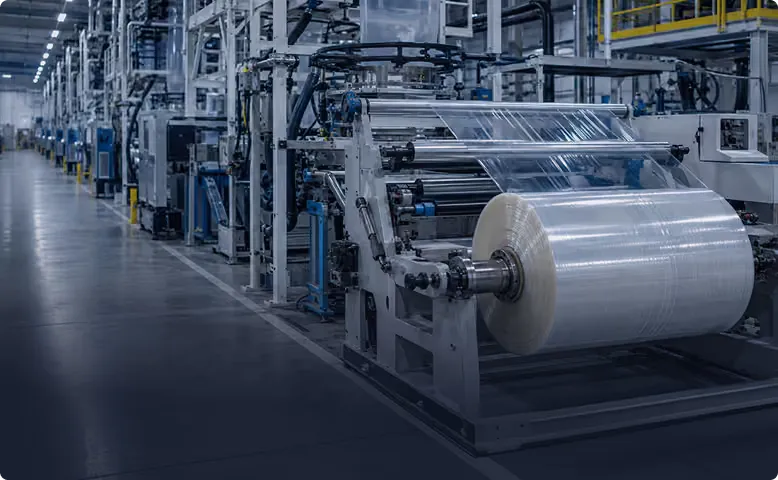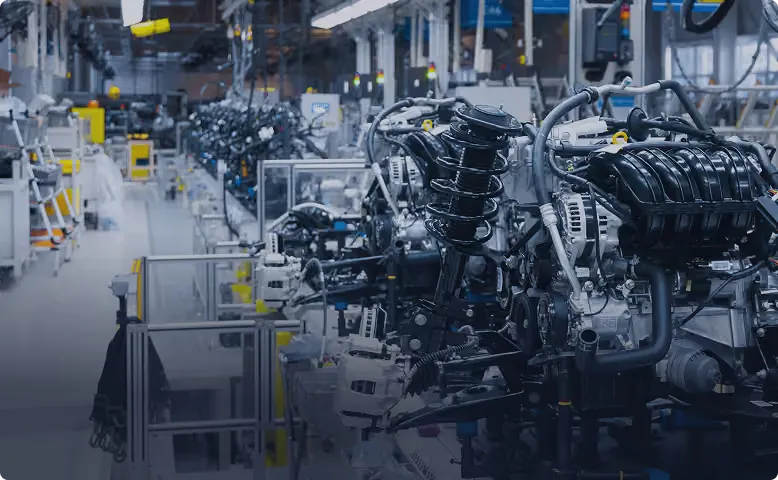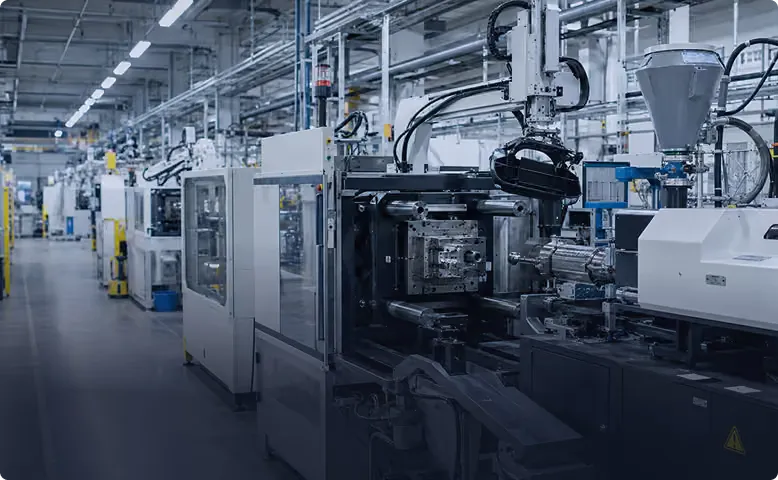











AI visual inspection replaces the spot check with a camera that looks at everything. A trained model examines each part, or each section of a moving web, and decides in milliseconds whether it’s good. When it isn’t, the line knows within a few parts.
Tristar builds that station around your process: the cameras and lighting, an edge server in the plant, the models, and the connection to your PLC and reject equipment.
What a camera sees that a spot check misses
Manual inspection samples. An operator pulls a part every so often, or watches a web for as long as attention holds, and judgment shifts between people and between shifts. Rule-based vision covers every unit but only finds what someone wrote a threshold for, and it false-rejects when gloss, color or texture changes.
A learned model sits between those two. It has seen enough of your good product to know what normal variation looks like, so it stays quiet when the material is fine and flags the gel, the scratch or the short shot it was trained on, plus anomalies it has never seen.
| Manual inspection | Rule-based vision | AI visual inspection | |
|---|---|---|---|
| Coverage | Samples | Every unit | Every unit |
| Glossy, textured or variable surfaces | Depends on the inspector | Frequent false rejects | Handles normal variation |
| New defect types | Caught if someone notices | Needs a new rule | Flagged as anomalies, then added in review |
| Consistency across shifts | Varies | Consistent | Consistent |
| Record for claims and audits | Paper or none | Pass and fail counts | Image, location, size and time for each defect |
For a longer comparison, read AI vs. rule-based machine vision.
Defects the AI catches
The defect list depends on the material. These are the families Tristar inspects in production today.
- Plastic film and bags: gels, carbon specks, eyelashes, fisheyes, burn-through, pinholes, contamination, bad seal bars, gusset irregularities and print defects.
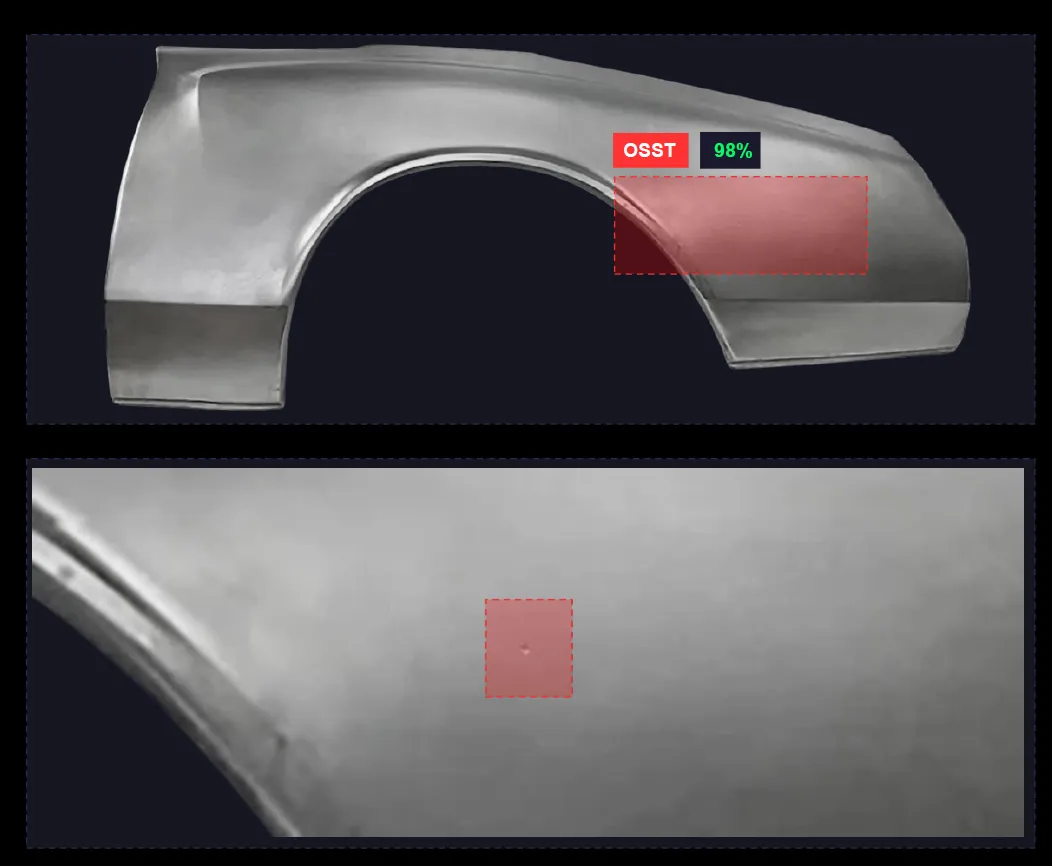
- Stamped and formed metal: scratches, cracks, dents, pitting, scale, burrs, and missing or deformed holes.
- Injection molded parts: flow lines, gas burns, short shots, flash and discoloration.
- Assembly: missing components, wrong variants, wrong orientation, skipped steps.

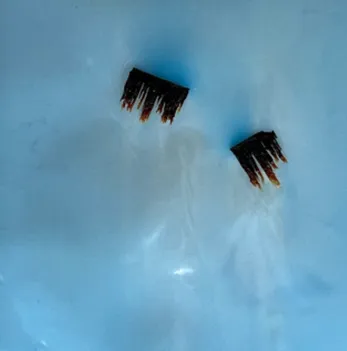
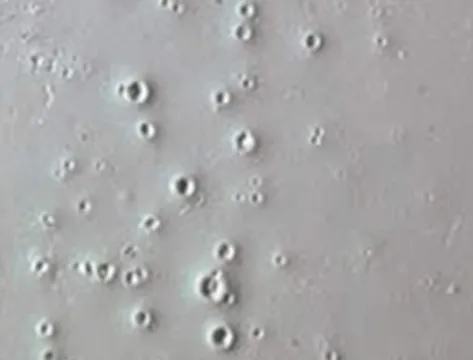
Defect examples from plastic film and bag inspection.
How the AI inspection solution works on your line
Capture
Industrial cameras and lighting chosen for your material image every part or the full width of the web. Line-scan cameras cover moving webs; area cameras cover discrete parts.
Decide
An edge GPU server next to the line runs the model on each frame. It classifies the defect, outlines it and checks it against the tolerance you set.
Act
The result goes to the PLC and to people at the same time: a reject signal, a flag on the roll, an alert at the operator station.
Improve
Every detection is logged. A weekly review tunes tolerances, adds defect types and shows which line, tool or shift the scrap is coming from.
The model starts from a foundation model that already understands materials. It looks past reflections, shadows, gradients and gloss, which is why a station can be useful on a modest set of samples instead of months of data collection. How AI defect detection works follows one part through the whole loop.
What it takes to deploy an automated station
Hardware is ordinary: standard industrial cameras, lighting set up to control glare, and a server that stays inside your network. Most of the engineering is in choosing camera position and lighting for the smallest defect you care about.
You bring samples and the knowledge of what counts as a defect. Tristar handles labeling and training, and your team validates the edge cases. Plants with many SKUs don’t start with all of them. They start with the part and defect combinations that cost the most.
Tristar is sold as an annual subscription or as CapEx with an owned software license.
Where the payback comes from
Three numbers move: scrap, inspection labor and claims. In a steel stamping deployment across seven press lines, scrap fell 25% and the system paid for itself in three months. On four plastic film lines, customer claims dropped 50%. Both case studies are public.
Those are other plants’ results. We’ll tell you what yours could look like after we run your parts.