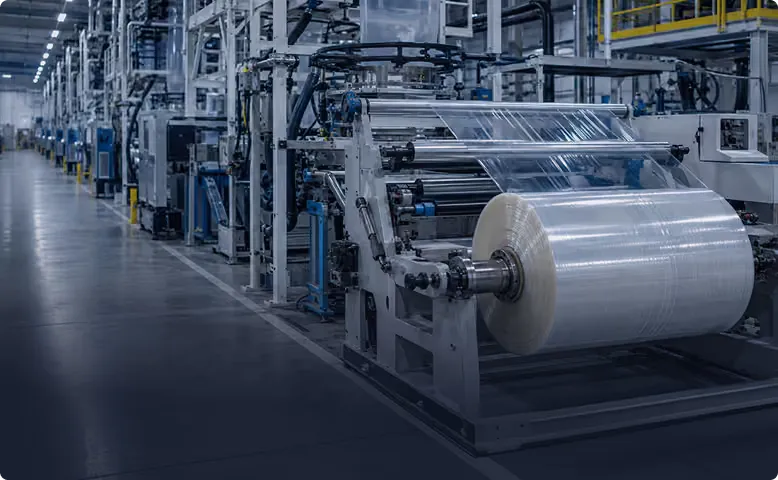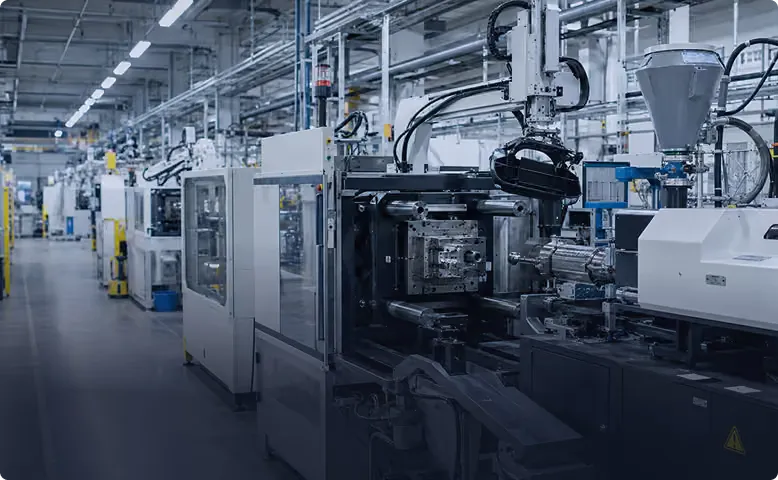











Packaging seal inspection on most bag lines is a pull test at intervals and an operator’s eye in between. Both are useful and both leave gaps, because seal problems tend to start quietly and get worse bag by bag. Tristar puts a camera on the seal itself and checks every bag as it’s made.
One thing to be clear about first. This is visual inspection. Tristar looks at the seal and judges whether it looks right. It doesn’t test for leaks or measure seal strength, and it isn’t a substitute for those tests.
Why seals fail
A heat seal depends on the bar, the settings and a clean seal area. When seals go bad on a bag line, the cause is usually one of these:
- A worn seal bar. The surface degrades with use and stops pressing evenly across the width.
- A dirty seal bar. Residue builds up on the bar and transfers into each seal that follows.
- Temperature off target. Too cool and the layers don’t fuse fully. Too hot and the film distorts or burns through.
- Something in the seal area. Contamination, a wrinkle or a gusset folded out of place gets trapped between the layers.
What these have in common is that they rarely appear all at once. A bar doesn’t go from good to failed in one cycle. The seal starts to look a little different, then a little worse, and by the time someone notices at the next check there’s a stack of suspect bags to sort.
What a camera can and can’t tell you about a seal
Each seal check answers a different question. It helps to keep them apart.
| Periodic destructive test | Inline camera inspection | |
|---|---|---|
| What it measures | How strong the seal is on the bags pulled | Whether each seal looks right |
| Coverage | A sample | Every bag |
| When you find out | At the next test | While the bag is still on the machine |
| Bag after the check | Destroyed | Untouched |
| Tells you seal strength | Yes | No |
| Shows when a problem started | Somewhere since the last good test | The first bag that looked wrong |
The two work together. The destructive test stays as your proof of seal strength. The camera covers the bags between tests for visible seal faults, and when it flags one it shows which bag was first and how many followed. A failed strength test still puts everything since the last good test on hold.
Tristar also inspects the rest of the bag at the same station or nearby: gusset irregularities, print, and how wicketed bags are mounted and stacked. The broader packaging inspection page covers those.
How automated packaging seal inspection works inline
Look
A camera with glare-controlled lighting images the seal on every bag as it comes off the seal bar.
Compare
A model that has learned good seals on your film runs on an edge server in the plant and judges each one against the tolerance you've set.
Signal
A suspect seal sends an output to the PLC to reject or flag the bag, and the operator gets an on-screen or sound alert.
Trace
The image, the time and the lot are stored, so a later question about a shipment becomes a lookup.
Seals on film are a hard subject for older vision tools. The film is glossy, often clear, and the seal is a subtle change in texture, not a dark mark on a light background. A seal inspection system built on fixed thresholds tends to either miss marginal seals or reject good ones whenever the film or the lighting shifts.
Tristar’s models start from a foundation model that already understands materials and looks past gloss, opacity and reflections. They learn what your good seal looks like from samples of your bags. How AI defect detection works explains that learning step, and AI defect detection for plastic film covers the film defects that often end up in the seal area.
Signaling the line when the seal bar drifts
A single odd seal is a reject. A run of them is a message about the machine.
When flagged seals start repeating, operators hear it and see it at the station, and a mass alert can go to maintenance or the shift lead. The crew can clean or adjust the bar after a handful of bad bags. Nobody has to wait for the next scheduled test to learn that something changed.
After go-live, a short weekly review with your team sets where the tolerance sits. Early on it’s common to find the system flagging seals your operators would pass, or passing ones they wouldn’t. That review is how the line between acceptable and reject gets drawn, and how new seal defect types get added.
What it did on four film lines
A flexible packaging producer runs Tristar on four high-speed lines, with seal bar defects among the things it inspects for, next to contamination and gusset irregularities. Customer claims fell 50%, and scrap fell 25%. Those figures are for the whole deployment, not for seals alone. The case study describes it.
AI seal defect detection depends on how your seal looks on your film, so we don’t promise a result up front. Send us bags with good seals and bags with the seal defects you’ve had complaints about. We’ll tell you what the camera can separate after we run your parts.