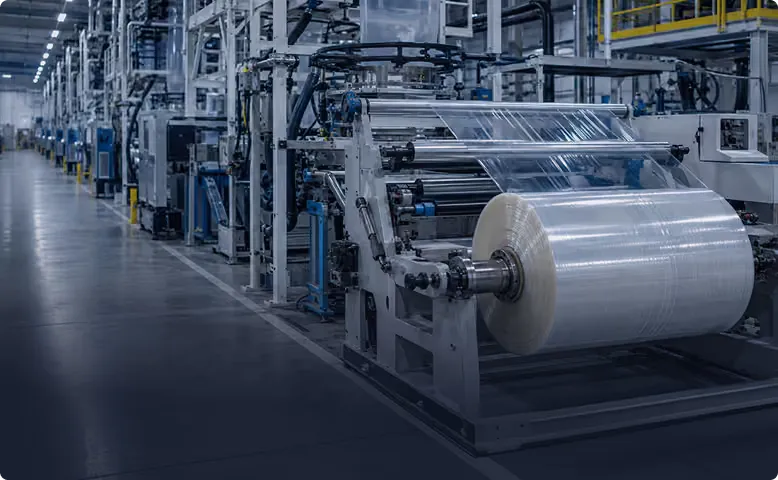










Food packaging inspection is about the pack, not the product inside it. A pack that leaks, carries contamination in the seal or carries smeared print goes back, whatever the food was like. And these failures rarely come one at a time. A worn seal jaw or a contaminated film roll produces bad packs until someone notices.
Tristar’s work is AI inspection of packaging materials: film, bags, seals and print. On a food line, that means checking every pack as it leaves the sealer and tracing each defect to the lot.
Where food packs fail
Most rejects and complaints trace back to a short list:
- Seals with a wrinkle, product or contamination caught in them, or the uneven look of a worn or dirty seal bar.
- Film or lidding with gels, specks, pinholes or inclusions.
- Print problems: smeared or missing print, including in the area where the code goes.
- Bags and pouches with gusset irregularities or a bad seal bar.
A person at the end of a fast food line can watch for some of that for a while. Nobody can look at every seal on every pack for a full shift. Packs keep coming, and the one with product in the seal looks almost like the ones around it.
Which packaging defects Tristar’s AI detects
The defect vocabulary comes from flexible packaging and film lines where Tristar runs in production. Here’s how it maps to common food formats.
| Pack format | Where the AI looks | Typical defects |
|---|---|---|
| Trays with lidding film, ready meals | Seal flange, lidding film | Contamination in the seal, wrinkles, film specks |
| Pouches and flow wraps | Seal bars, film, print | Bad seal bar, gels, pinholes, poor print |
| Bags, including dairy and bakery bags | Film, gussets, seals, stacks | Gusset irregularities, contamination, stack alignment |
| Printed film | Print area, code area | Smeared, missing or poor print |

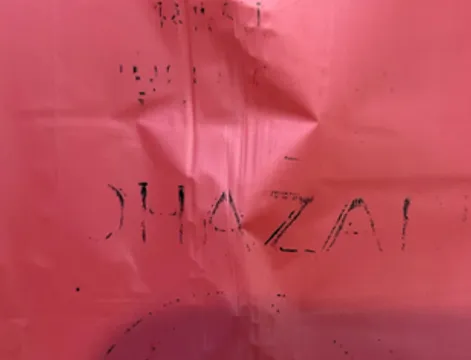
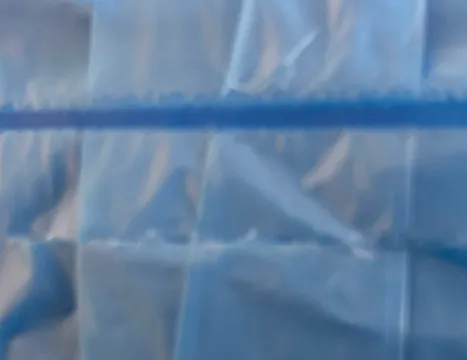
Defect examples from plastic film and bag inspection.
A camera finds seals that look wrong. It doesn’t measure seal strength, so it runs alongside your leak or peel tests rather than replacing them. Seals get their own page: packaging seal inspection explains what a camera can and can’t tell you about seal integrity. For print and code areas, see label inspection.
How an AI food packaging defect detection system runs
Camera after the sealer
Cameras and lighting are positioned over the pack as it leaves sealing, with the seal area and print in view. Lighting is set up to cut glare off film and trays.
Check every pack
An edge server runs the model on each image and compares the seal, film and print with what a good pack looks like.
Reject and alert
A failed pack triggers the reject gate through the PLC. When defects start clustering, the operator gets an alert while the seal jaw or film roll is still running.
Log to the lot
Each defect is stored with an image, time and lot, so a hold covers only what it needs to.
The model starts from a foundation model that already understands materials and looks past reflections and gloss, which matters on shiny film and wet product behind clear lidding. AI defect detection for plastic film explains the film defects and their usual causes.
Getting from samples to a line
We haven’t published a food deployment, and we won’t claim results on your packs before testing them. The start is a set of samples: good packs and packs with the defects behind your holds and complaints. We run lab tests to find the lighting and camera setup, then show you what the model caught and missed.
If that holds up, we design the station on site. After go-live, a short weekly review with your team sets tolerances and adds new defect types, so the line isn’t stopped by false rejects. The buyer’s checklist lists what to ask any vendor before a trial.
What it did on four packaging film lines
On four high-speed plastic film lines inspecting contamination, seal bar defects and gusset irregularities, Tristar cut customer claims by 50% and scrap by 25%, saving $814,000 a year with a four-month payback. The plastic film case study covers it in full.
That was film and bags, not food packs. Send us yours and we’ll tell you what a station can do after we run them.