










Headcount efficiency in quality usually comes down to one question: how many skilled people spend their shift looking at parts? In a lot of plants the answer is “more than we’d like,” and those are often the people who know the process best. Automating the looking doesn’t mean losing them. It means putting them back on the problems that cause the defects in the first place.
That’s the lever we hear most from plant and operations leaders, often ahead of scrap. Inspector seats are hard to fill, turn over quickly, and are the first thing that limits adding a shift.
Where inspection labor costs actually sit
The visible cost is the inspector’s hours. The rest is spread around and easy to miss:
- Double checks. Four-eye checks exist because one person misses things late in a shift. That doubles the hours on the same parts.
- Turnover and training. A new inspector takes time to learn what a defect looks like on your product, and the standard shifts with each new hire.
- Escapes. Whatever gets past the station turns into rework, sorting at the customer, or a claim. That’s labor too, just on someone else’s timesheet.
- Firefighting. When a defect spike is found at the end of a run, a supervisor and an engineer spend the next day tracing it.
Manual inspection automation targets all four, not only the first.
What one steel stamping plant moved
Before Tristar, two operators spent 80 hours a month per line on manual four-eye checks across a steel stamping operation. After deployment, one operator manages that workload. Across three facilities and seven press lines, that added up to more than 5,300 labor hours saved, 2.5 FTE moved off manual inspection and $1.2M in annual savings, with a three-month payback. The steel stamping case study has the full numbers.
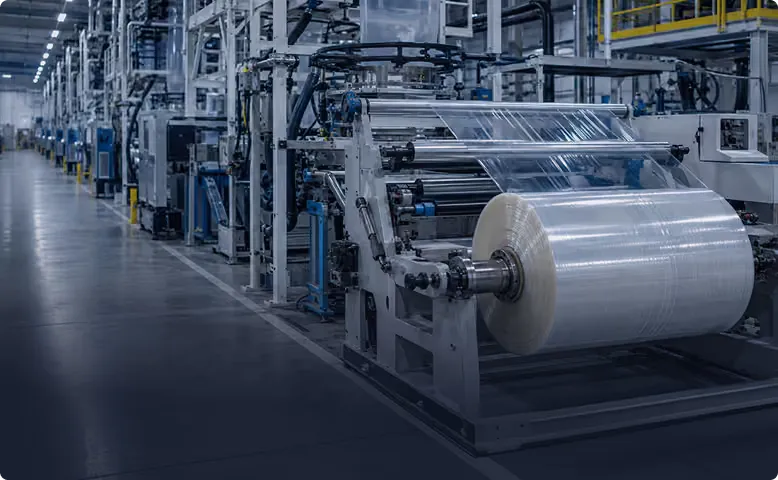
On four plastic film lines, a separate deployment moved 2 FTE off inspection while cutting scrap 25%.
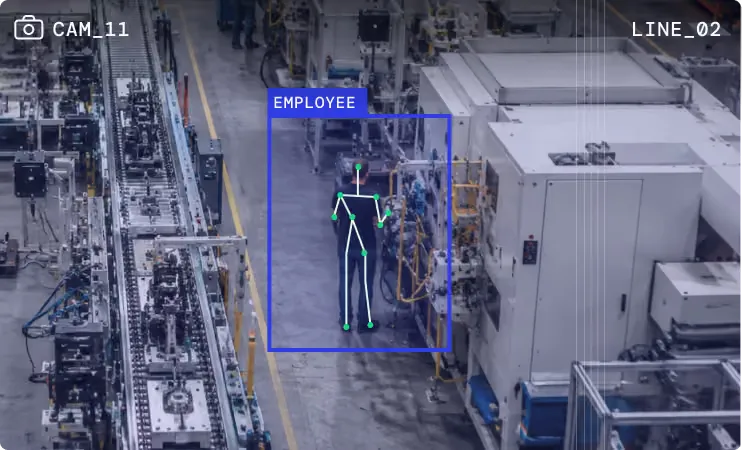
Redeploy inspectors, step by step
Pick the station
Start where the most inspector hours go into the part and defect that cost the most.
Run in parallel
The camera inspects alongside your people, and both results are compared until your quality team trusts the system.
Shift the role
Inspectors move from finding defects to responding to them: adjusting the process, maintaining tooling, checking flagged edge cases.
Extend
Freed hours go to the next station, the next line or a shift you couldn't staff before.
The parallel run matters more than any spec sheet. Your inspectors are the best judges of whether the system sees what they see, and they’re the ones who’ll work with it every day.
The operator’s job after automation
Red, yellow and green lights on their own tend to fail. Operators need to know what to do, so the Tristar screen tells them what to change and how much, not only that something’s wrong. Tristar says its customers change production parameters 10x faster than the industry average with this guidance.
Plants worry that someone will pause the system and forget it. Pause and feedback can be admin-only, and the system can alert when monitoring has been off too long. Production line monitoring covers the alerting side.
Making the case internally
Headcount efficiency is easiest to defend when it’s framed as capacity, not cuts. Count the inspector hours on the target station today, add the hours spent on escapes and rework, and compare that with what one person can cover once the camera does the looking. Use variables from your own plant, not borrowed percentages.
Bring the people side in early. Tell inspectors what their new role will be before the cameras arrive, and involve your most experienced ones in the parallel run and the weekly review. They know the defects better than anyone, and the system gets better faster when they’re the ones confirming edge cases. Plants that do this tend to get the inspectors arguing for the next station, not against it.
The scrap reduction guide shows how labor and scrap savings stack in the same business case, and the buyer’s checklist helps you test any system on your parts before you commit.