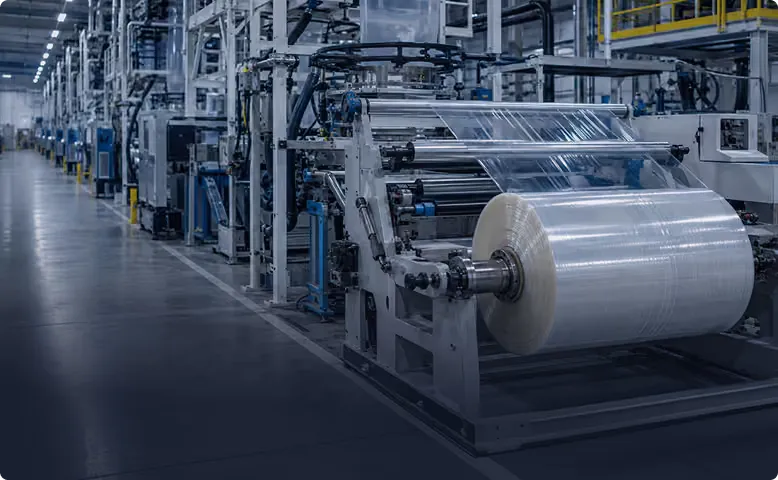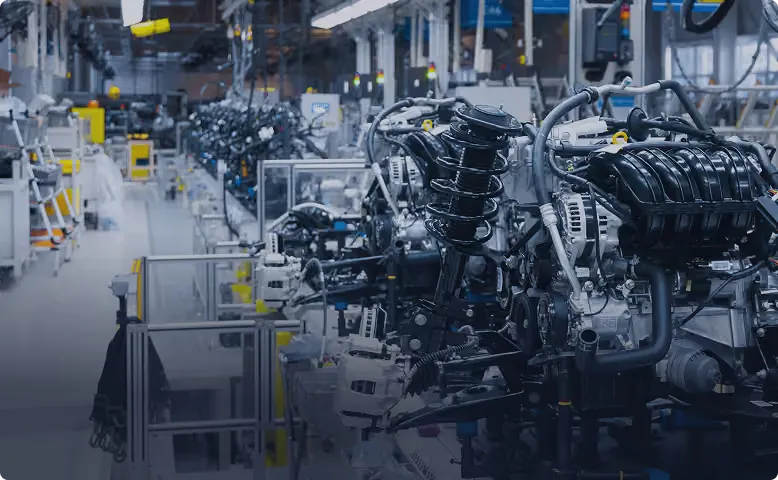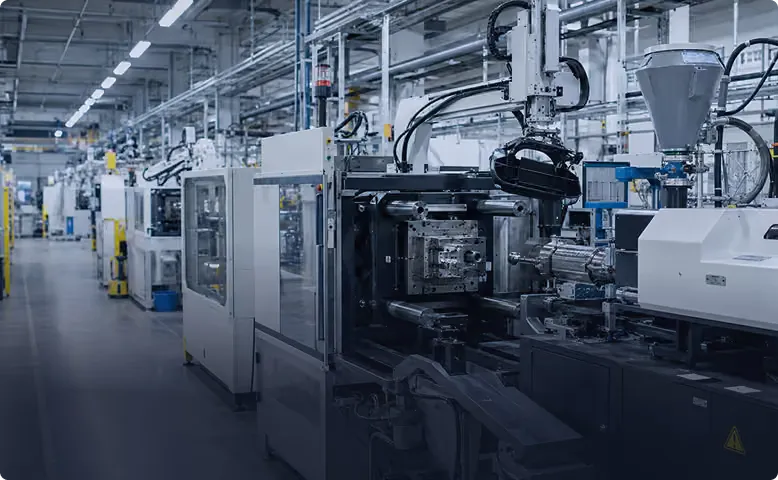











Most manufacturing process automation moves things. Robots load presses, conveyors index, PLCs sequence the cycle. The quality decision often stays manual: someone looks at a part, decides it’s bad, and then walks to a panel or picks up a radio to do something about it.
Tristar automates that one loop. Cameras inspect every part or every foot of web, a model makes the call, and the line reacts through the PLC, reject equipment and robots you already run. We’re an AI visual inspection company, not a general automation integrator, so the quality loop is the part of the process we take on.
The slow step is the person in between
A defect that has been seen but not acted on keeps being made. On a fast line, the time between an operator noticing a problem and the line responding gets counted in parts, rolls or bins of scrap. On a night shift or a short-staffed crew, it gets longer.
Detection alone doesn’t fix that. An inspection system that only draws a red box on a monitor still depends on somebody watching the monitor. The value shows up when the detection becomes a signal that equipment acts on, and people are told at the same moment. That mechanism is behind most of the gains described in scrap reduction in manufacturing.
What the automated line does on its own
Each detection can drive a different response, depending on the product and the equipment at the station.
| What the camera finds | What happens automatically | Equipment that does it |
|---|---|---|
| A defective discrete part | The part is diverted before it reaches packing | Reject gate or kick-off system, fired by the PLC |
| A defect on a moving web | The spot is marked on the roll and logged on a roll map | Flagger or edge marker |
| A part that has to be pulled or sorted | The robot removes it or places it in the right bin | Robot signaled with the result |
| A color shift on molded parts | A color pump correction is prompted | Injection molding color dosing |
| A sudden rise in defects | Operators get sound alerts and mass alerts at the line | Alerting, plus whatever your PLC logic does with the signal |
| Any defect at all | Image, size, location and time are stored against the lot | Tristar records, shared with MES or ERP |
On web lines, marking beats stopping. The roll keeps running, and converting knows exactly which section to cut out.
How closed-loop automation gets wired
Closed loop automation for manufacturing sounds like a big controls project. For inspection it’s a short chain, and most of the links are equipment you own.
Inspect
Cameras and lighting chosen for your material image every part, or the full width of the web, at line speed.
Judge
An edge server inside the plant runs the model on each frame and compares what it finds with the tolerance your quality team set.
Signal
The pass or fail result goes to your PLC, tied to the part or the web position it belongs to.
Act
The PLC fires the gate, the flagger or the robot. Operators see and hear an alert that says what was rejected and why.
Record
The detection is stored with its image and lot, so the weekly review and any later claim start from evidence.
The model side of this chain is explained step by step in how AI defect detection works.
What should stay a human decision
Automating the action doesn’t mean automating the standard. A few decisions belong to people, and the system is built to keep them there.
- Tolerances. How large a gel, scratch or burr can be before the part is rejected is a commercial and quality decision. Your team sets it, and the model applies it the same way on every shift.
- New defect types. After go-live the system flags anomalies it hasn’t been taught. A short weekly review with your engineers decides which ones are real defects and which are acceptable variation.
- Root cause. The data shows which line, tool or time window the defects come from. Whether to pull a die, change a screen pack or change a setting is still a process engineer’s call.
Start with alerts only if your team wants to build trust first, then switch on automatic rejects once the weekly numbers look right. Nothing forces you to hand over the gate on day one.
Where this sits in manufacturing process automation
Tristar isn’t a manufacturing line automation contractor. We don’t design cells, program motion or replace your MES. Your controls team or integrator keeps ownership of the PLC logic, and we deliver the result it needs.
What we do bring is the inspection itself, built on AI visual inspection, and the integrations that turn a verdict into an action. If a station needs cameras, lighting and part handling designed from scratch, we deliver that as a turnkey inspection station.
What a closed loop was worth on seven press lines
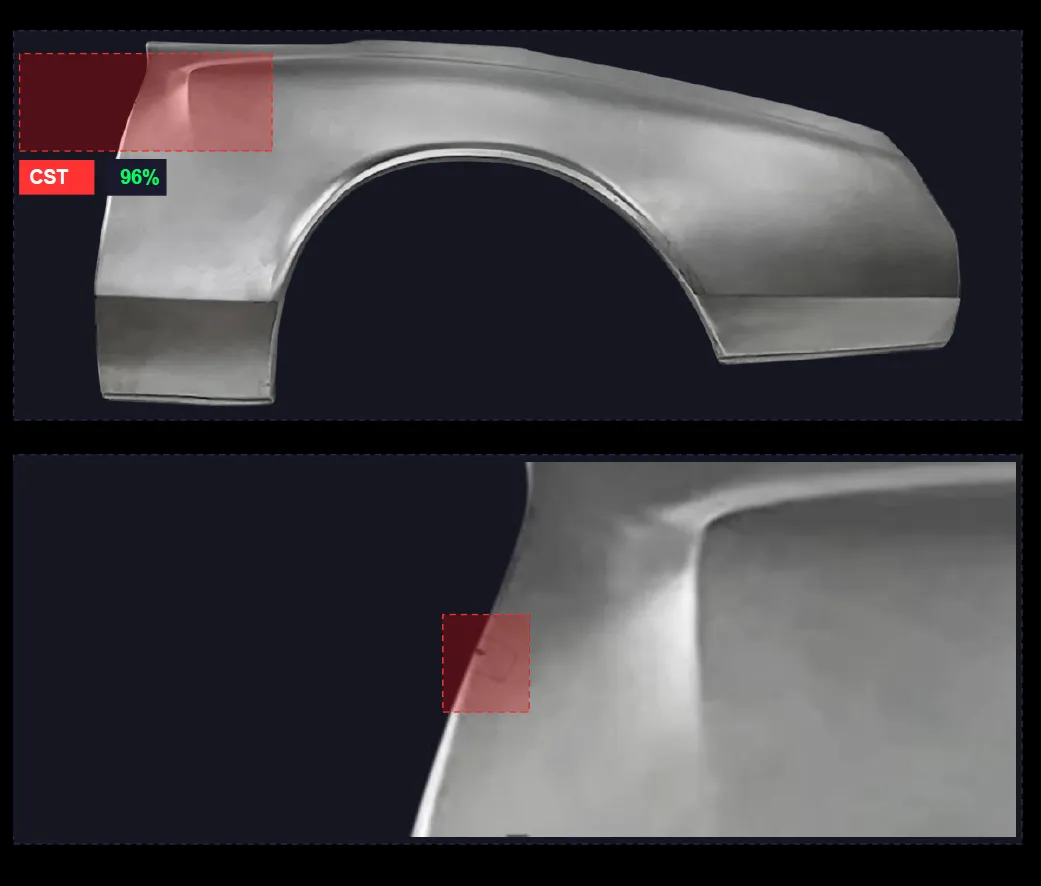
A steel stamping operation runs Tristar across seven press lines. On one night shift the system flagged a defect spike within 10 seconds, which kept more than 10,000 defective parts from being made. Across the deployment, scrap fell 25% and the project paid back in 3 months. The case study has the full figures.
Those numbers belong to that plant. Send us good and bad samples, and we’ll tell you what your loop could look like after we run your parts.