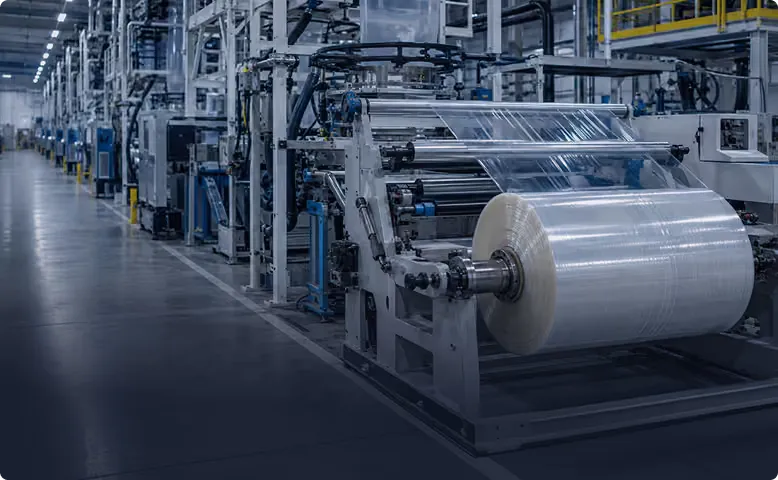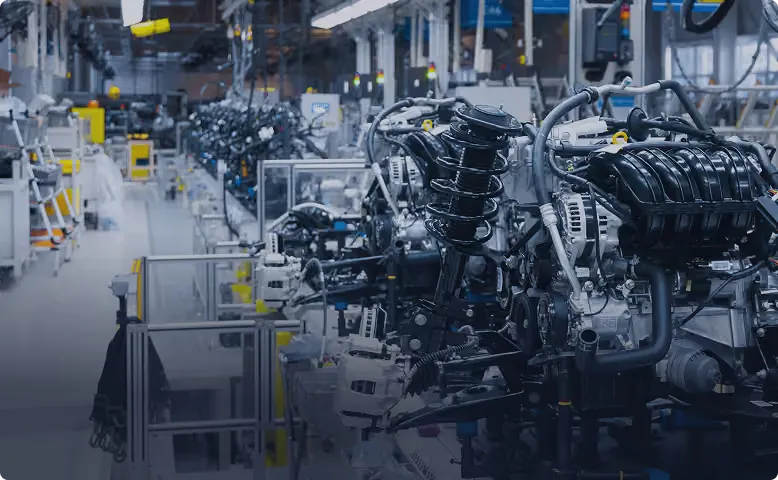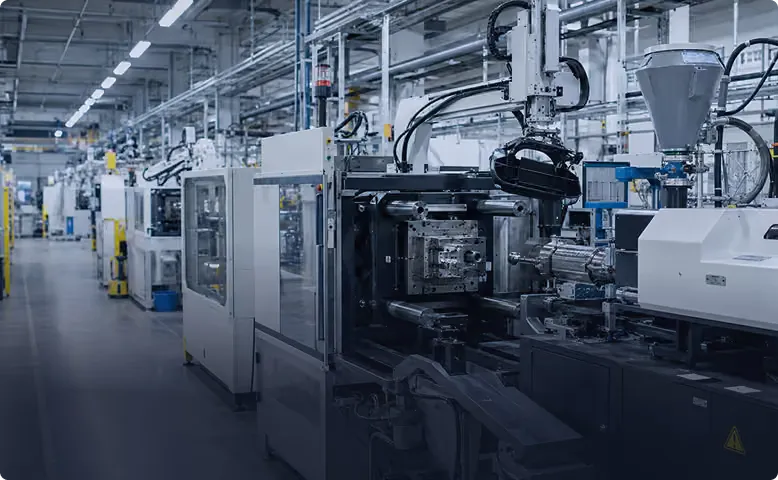











AI quality inspection takes the judgment your best inspector applies at the bench and applies it to every part, at line speed, on every shift. A model trained on your product looks at each image, decides whether it meets the standard your quality team has written down, and acts on the answer: a reject, a flag on the roll, an alert at the press.
The camera is the easy part. The work is in defining the standard, tuning it so the line isn’t buried in false rejects, and making sure an alert leads to a fix. That’s what this page is about.
Who decides what a defect is
Every plant has a quality standard, but much of it lives in people’s heads. One inspector passes a faint flow line, another holds it. A limit sample in a drawer gets read differently at the end of a long shift. Customers notice that inconsistency before the plant does.
An AI-driven visual quality inspection system forces the standard into the open. Before a model can enforce it, someone has to say which defect classes exist for this SKU, how big each one can be, and which ones stop the line versus get logged. That conversation is often the first time the plant has written it down in one place.
| Decision | Who makes it | When it changes |
|---|---|---|
| Which defect classes exist for a product | Your quality team, with Tristar engineers | When a new defect type shows up on the line |
| Size and severity limits for each class | Your quality team | In the weekly review, based on what the system flagged |
| What happens on a reject: gate, flag or alert | Production and quality together | When the line’s handling equipment changes |
| Whether a borderline image was right | Your reviewers | Every week, from the review queue |
Tristar does the labeling and the training. Your team keeps ownership of the standard, which is how it should be.
How to use AI for quality inspection, step by step
Plants that get value quickly don’t try to cover everything at once. They pick one expensive problem, prove the model on it, and expand.
Pick the defect
Rank defects by what they cost in scrap, rework and claims, and take the top one a camera can actually see. In a high-mix plant that's often the highest-volume part.
Send samples
Good and bad parts go to Tristar's lab, where engineers find the camera and lighting setup that reduces noise before the model is tuned.
Run one station
A station goes on one line. It flags what it sees, and your quality team reviews the borderline cases instead of the whole flow.
Set the limits
Weekly reviews settle tolerances so operators get alerts that matter, not a stream of false alarms.
Expand
Once the limits hold, add defect classes, SKUs or lines. Knowledge transfers to new SKUs without starting the training over.
The buyer’s questions to ask at each stage are in how to evaluate an AI visual inspection system.
False rejects and escapes: the trade-off you tune
Every inspection system, human or machine, trades two errors. Set the limits tight and good product gets scrapped. Set them loose and defects reach the customer. Rule-based machine vision usually ends up tight, because fixed thresholds can’t tell a scratch from a reflection, and then operators learn to ignore it.
A trained model moves that curve. Tristar’s foundation model already understands materials, so it looks past background, reflections, gradients and gloss and focuses on the surface itself. That lets the quality team hold a tight standard on real defects without paying for it in false rejects. AI vs. rule-based machine vision explains the mechanism in more detail.
You see the trade-off as data. Detections, misses and false rejects are tracked by defect type, so a tolerance change is a decision made with numbers in front of you.
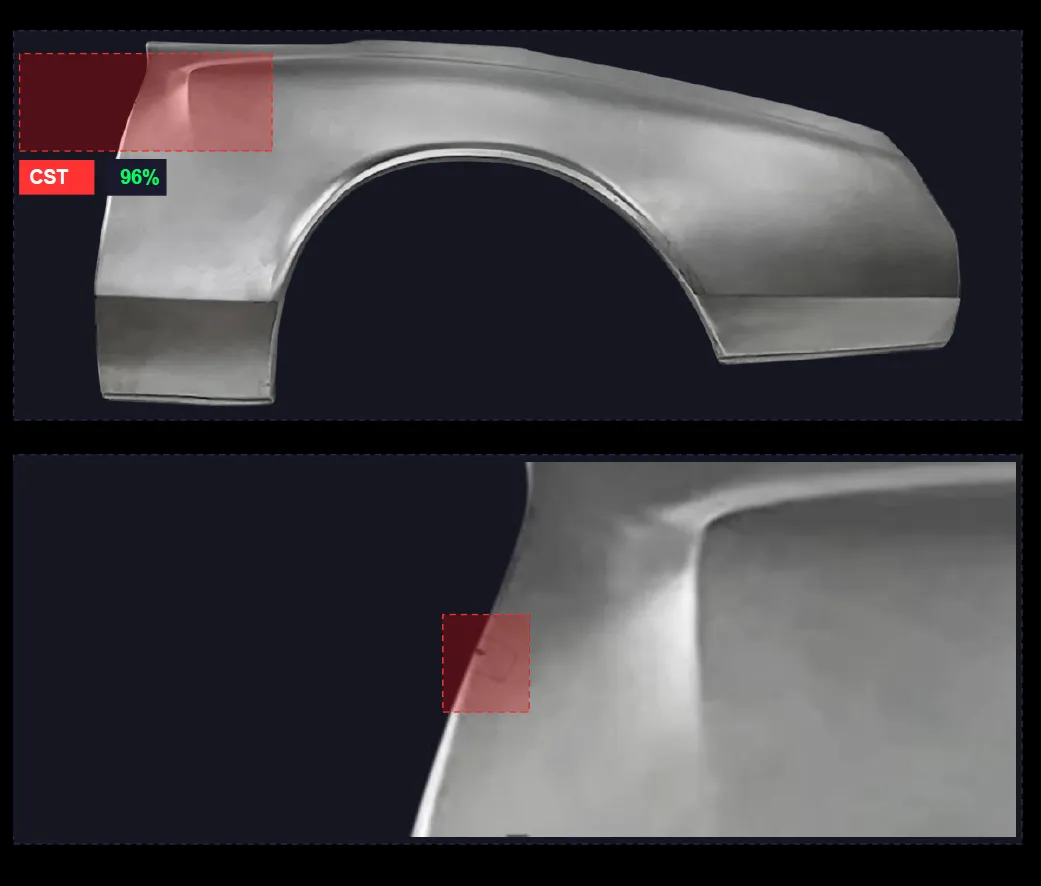
AI machine vision quality inspection on the factory floor
On the floor, an AI machine vision station looks like ordinary equipment: industrial cameras, lighting designed to cut glare, and an edge server that stays inside the plant. What’s different is what reaches the people on the line.
An operator doesn’t get a red light and a reject count. The screen shows the defect image and tells them what to change and how much. Pause and feedback controls can be limited to admins, and the system can alert if monitoring has been switched off for too long, so the standard can’t quietly lapse on a busy night.
For quality managers, the shift is from inspecting product to reviewing exceptions. Records of each defect, tied to its lot, are covered on the automated quality inspection page. For plants worried about who reviews the borderline cases, self-learning AI for manufacturing describes how the model improves with each review.
What AI quality inspection has delivered
In a steel stamping operation across three facilities and seven press lines, Tristar’s inspection reached 98% detection accuracy, cut scrap 25% and moved 2.5 FTE off manual four-eye checks. It paid for itself in three months. The case study has the full numbers, and the reasoning behind redeploying inspectors is in automated vs. manual visual inspection.
Your standard and your parts are different. Send us samples, and we’ll tell you what the model finds after we run your parts.